
Building Accommodation Capacity Around Recurring Demand
Reacting to referrals one at a time is exhausting and expensive. Here's how organisations are shifting to a dedicated, planned accommodation capacity model.
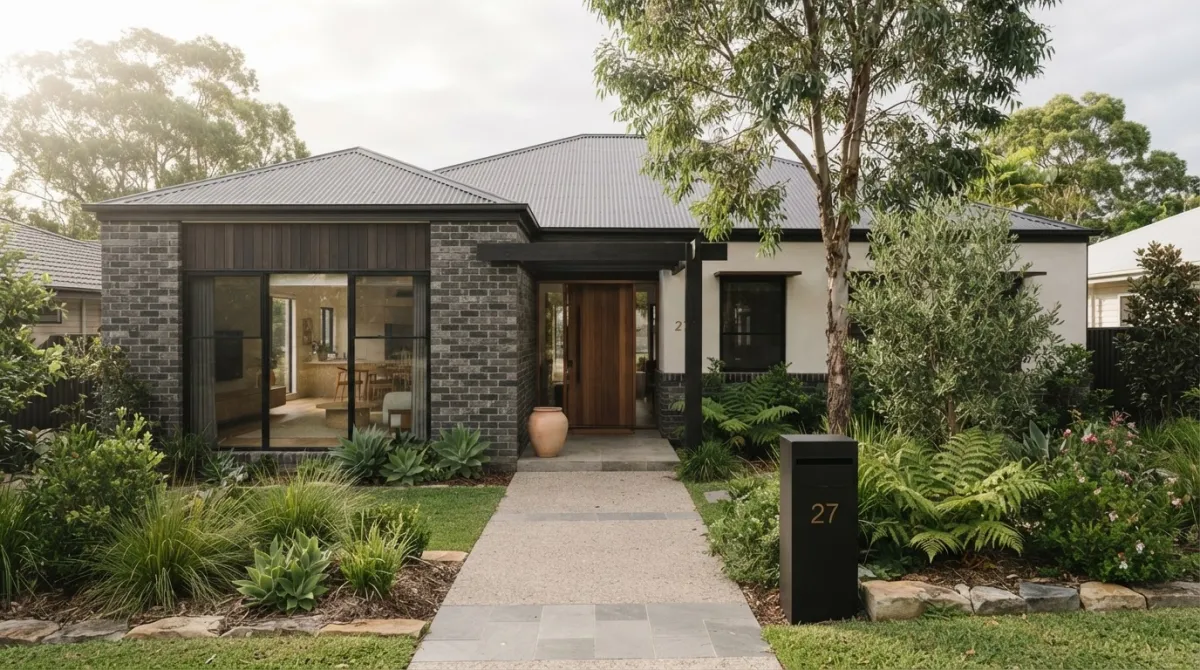
Most organisations we speak with started the same way: a referral comes in, someone scrambles to find a place to stay, a hotel or short let is booked, and the cycle repeats. It works, but it is reactive, expensive and almost impossible to plan around. Building a dedicated accommodation capacity means flipping that model, so a suitable home is ready when the referral arrives, not sourced under pressure after it.
The cost of being reactive
Reactive placement has hidden costs beyond the nightly rate. There is the staff time spent sourcing each property, the inconsistency of what families actually arrive at, the difficulty of maintaining standards across dozens of unrelated providers, and the lack of any data to support funding conversations. Over a year, those costs compound.
What a dedicated portfolio looks like
A dedicated accommodation portfolio is a set of suitable residential homes sourced and managed around your program's actual demand. We start by understanding your typical referral volumes, household types, locations and expected lengths of stay. From there, properties are sourced, furnished and held as ongoing capacity, with PRTNR managing occupancy, inspections, maintenance and resets between households. Properties may be secured through a head lease with an owner, or developed through build and granny flat partnerships where new dwellings are added to meet planned demand.
Why planning beats scrambling
When capacity is planned, intake managers know what is available before a referral lands. Housing coordinators can match households to suitable homes with lead time. Executives get reporting that shows utilisation, turnaround time and outcomes, the kind of evidence that strengthens funding conversations. The whole program becomes calmer and more predictable.
Starting smaller than you think
A dedicated portfolio does not have to be large to be useful. Some organisations begin with a small number of homes built around their most common household type, then expand as referral patterns stabilise. The model is designed to grow with your program, not ahead of it.
The practical detail
What we share once you enquire
- How we map your referral patterns to a starting portfolio size and household mix
- The locations and property types that tend to suit community and SHS programs
- How capacity is held, turned over and reported between placements
- What a phased build-out looks like for your service area
An enquiry is a conversation, not a booking. It does not guarantee accommodation.

Stay connected
Monthly newsletter
Accommodation insights, capacity updates and practical notes from PRTNR. One email a month, no spam.